Trending

Somewhere in almost every jewellery box there is a ring that used to sparkle, a chain that has gone grey, a pearl that has lost its glow. Most of the time nothing is permanently damaged. It is simply skin oil, soap residue and dust sitting where the light should be. The trick is knowing which pieces will happily sit in warm soapy water, and which ones will never forgive you for it.
Cleaning advice follows the stone, not the metal. Two similar-looking rings can need opposite treatment depending on whether the centre stone is a diamond or a soft opal. Hardness gives a rough guide, diamonds at the top, opals and pearls near the bottom, but it says nothing about treatments. Emeralds are usually oiled, turquoise is often stabilised or dyed, and some opals are layered. A treatment can make a stone far more delicate than its hardness suggests.
If you are not sure what you have, treat it as the most fragile thing in the box. Check the setting first, too: if a stone is glued rather than held in claws, water can soften the bond and the stone can drop out.
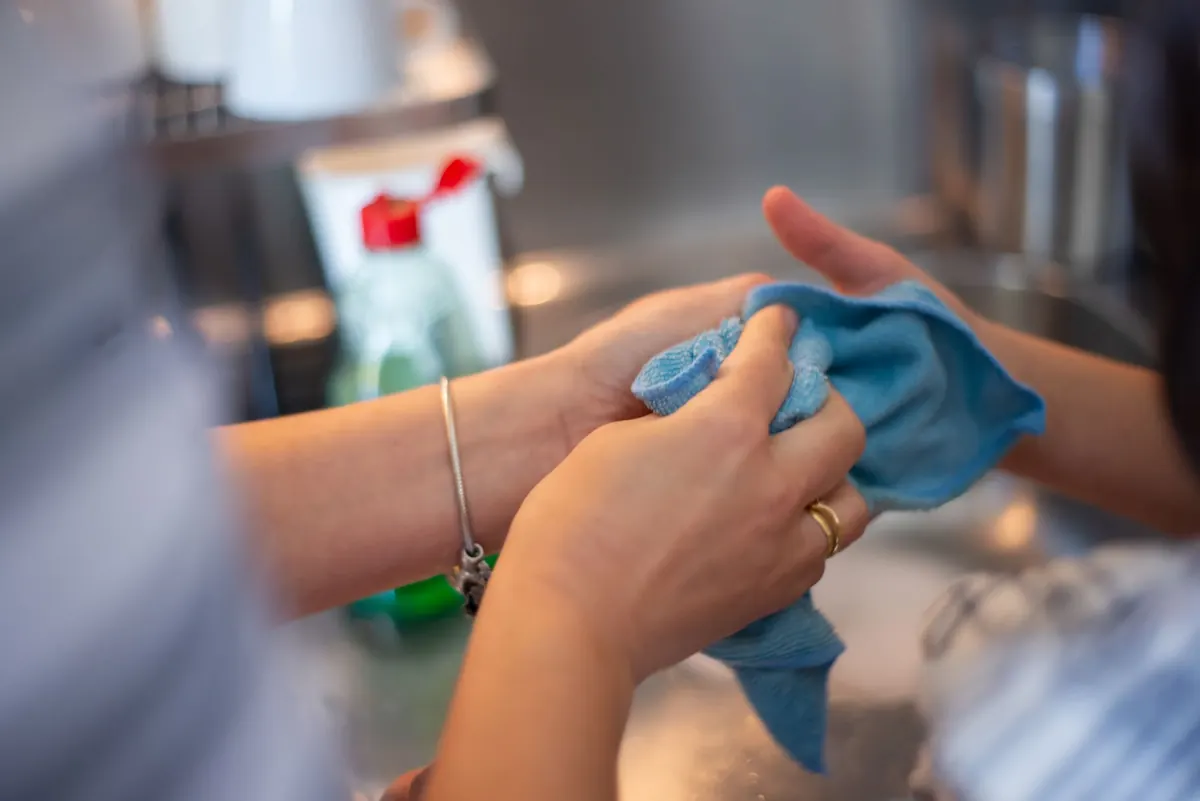
For plain gold, silver, platinum and most durable gemstones, this covers almost everything:
Two habits matter more than the method. Plug the sink or work over a bowl, because a stone that pops out over an open drain is gone. And never use hot water: it is harder on glued settings, on treated stones and on your hands.
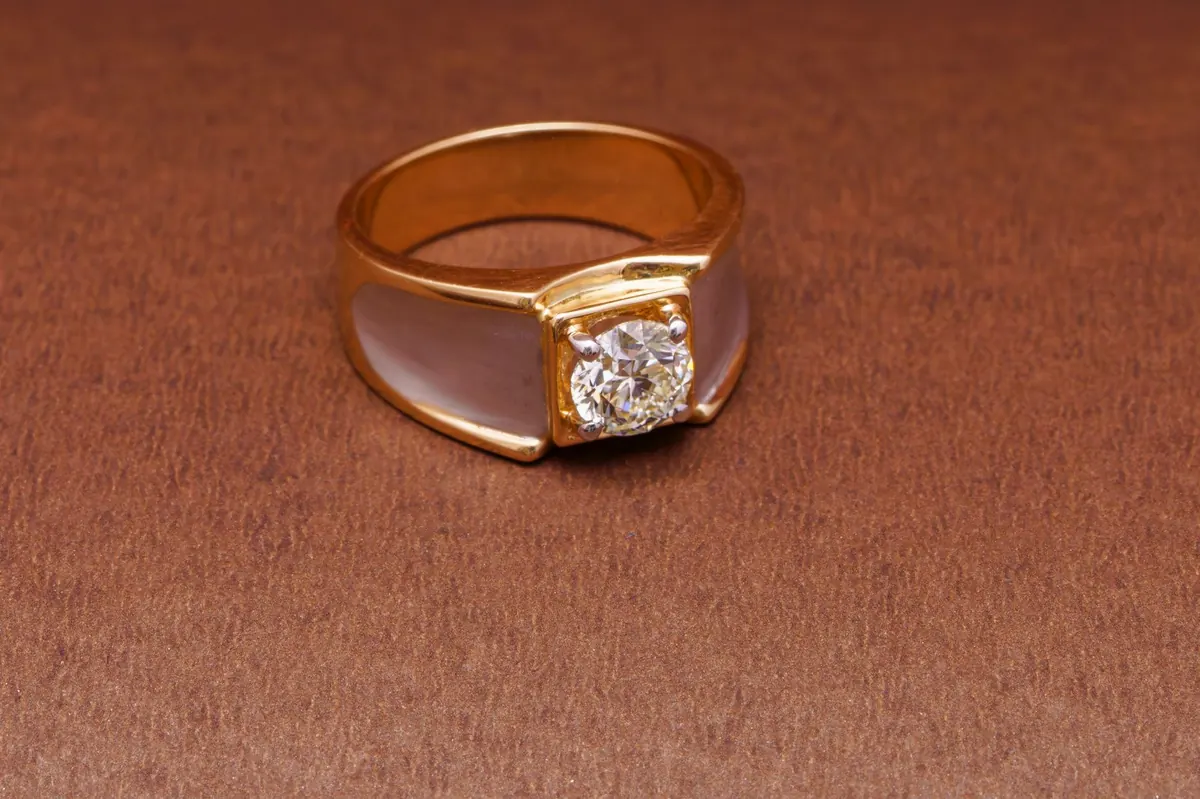
Yellow gold from 9ct to 18ct is the most forgiving thing in your jewellery box and comes up beautifully with the method above. Rose gold contains copper, which darkens slightly with wear and faster if the piece meets chlorine. White gold is usually rhodium plated, and abrasive pastes wear that plating away, which is why a ring can start to look faintly yellow at the edges. A soft polishing cloth restores shine; re-plating is a job for a jeweller.
Silver tarnishes because of sulphur in the air, not dirt, so polish removes the layer rather than the cause. Silver dips work fast, but they strip the dark oxidation from engraved lines and recesses, and they can damage pearls, some gemstones and the glue in settings. Keep dips for undecorated silver with no stones. Otherwise use a polishing cloth or warm soapy water, dry thoroughly, and store silver in a tarnish-resistant pouch with an anti-tarnish strip. Take rings off before swimming; chlorine is unkind to metal.
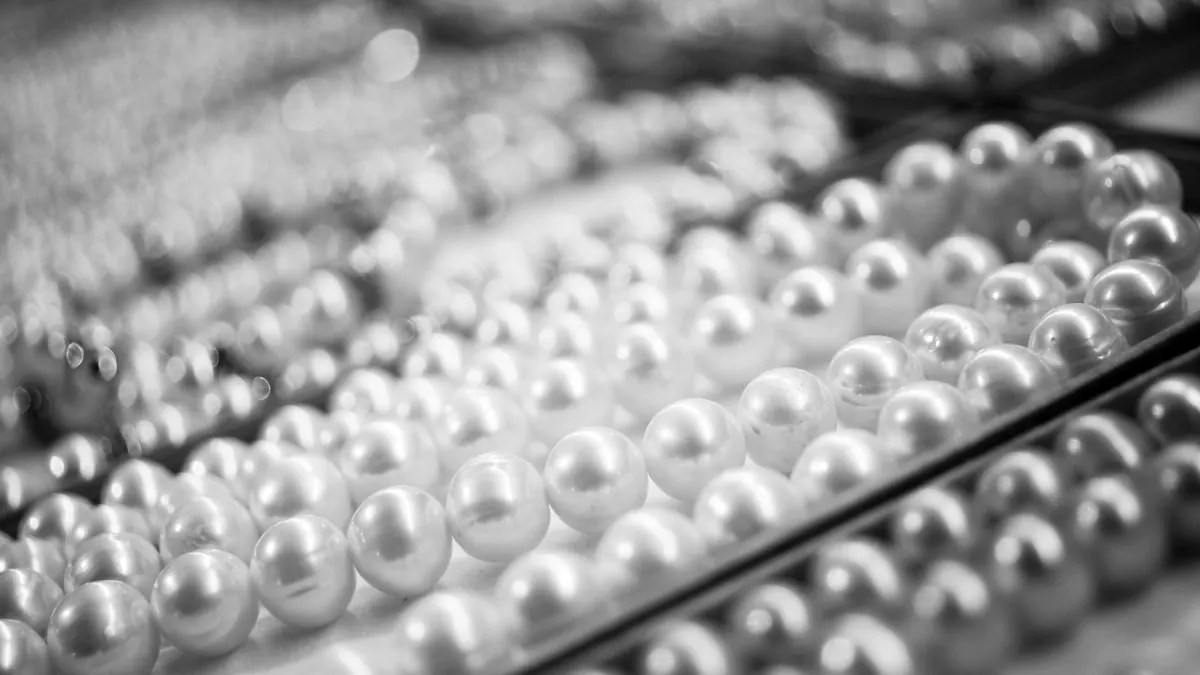
Pearls are nacre rather than stone, and they scratch easily. No soaking, no ultrasonic cleaners, no steam, no toothpaste, no household cleaners. Wipe them with a soft damp cloth after wearing, dry them flat rather than hanging a wet strand, and put them on last, after perfume, hairspray and hand cream. Silk thread stretches and darkens, so if you wear a strand often, have it checked and restrung every couple of years.
Opals hold water inside their structure, and sudden temperature changes or very dry air can cause crazing, a network of fine cracks that never goes away. Solid opals can be cleaned quickly with lukewarm water and a soft cloth, but do not soak them and never use ultrasonic or steam. Doublets, triplets and treated opals should be wiped with a barely damp cloth only. Keep them away from radiators, sunny windowsills and hot cars.
Almost every emerald has been oiled or resin-filled to improve clarity, and heat, steam and detergents can draw those treatments out, leaving the stone looking cloudy. Clean quickly with lukewarm water and a very soft brush, then dry it immediately. Never soak an emerald and never put one in an ultrasonic cleaner.
Turquoise, lapis lazuli, malachite, coral, amber, jet, shell and bone are porous, soft, or both. Water can seep in and shift the colour, detergents can bleach it, and perfume can dull the surface permanently. Wipe these with a dry, soft cloth and nothing else. The same applies to beaded pieces strung on silk or elastic: the thread is the weak point, and soaking stretches or rots it. If beads need more than a wipe, restringing is usually the honest answer.
A short list worth remembering, especially if you have ever been tempted by a bargain cleaning gadget:
If you are ever unsure whether a product is safe, test it on the underside of a hidden link or leave it alone. Cleaning a dull ring takes minutes; replacing a ruined opal does not.
Clean little and often rather than deep-cleaning once a year. A two-minute wipe after wearing is worth more than an hour of scrubbing later.
Take jewellery off before showering, swimming, washing up, gardening and exercising, and before you apply hand cream, sunscreen or perfume. Store pieces separately so harder stones cannot scratch softer ones, and keep strands of pearls and beads flat rather than hanging.
Once a year, or any time a stone feels loose or a claw looks worn, take the piece to a jeweller for a check. Tightening a claw costs far less than replacing a lost stone. And if you have inherited something, or bought a piece second-hand without knowing exactly what the stone is, have it identified before you clean it. That single step prevents most of the damage that cannot be undone.
Photo: Kampus Production / Pexels